The Canadian Open, founded in 1881, is the second oldest tournament after Wimbledon, which began four years earlier in 1877. Alternating between Montreal and Toronto each year, the “Canada Masters 1000” meant something to top players. Roger Federer won in 2004 and 2006. Rafa Nadal won five titles in Canada between 2005 and 2019. From 2007 to 2016, Novak Djokovic won four times while Andy Murray won three.
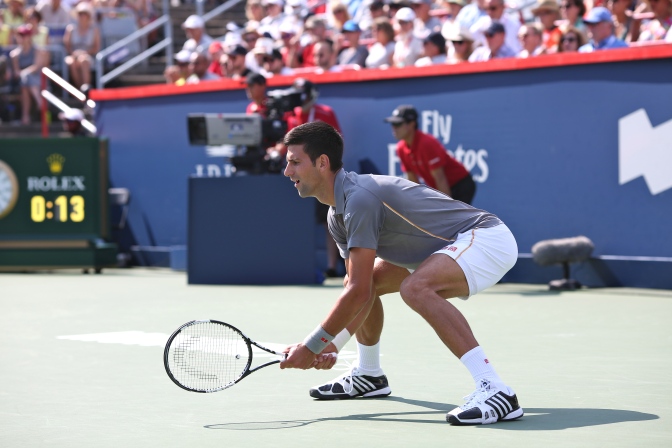
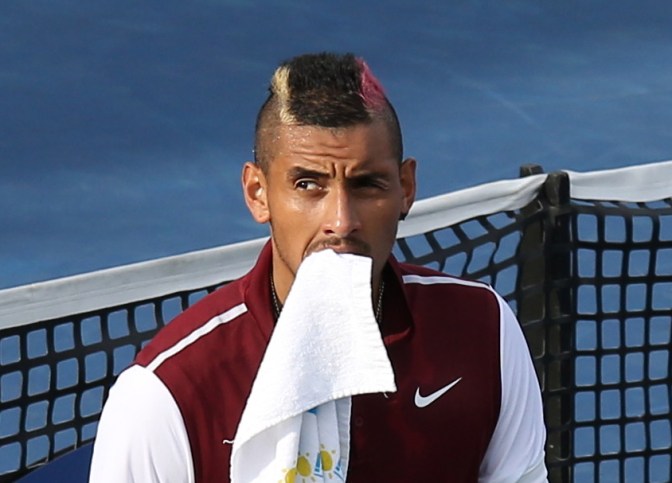
The event in Montreal was very popular in 2015. It featured most of the ATP’s top players, despite scorching heat and tough scheduling between Wimbledon and the Masters 1000 in Cincinnati. Murray beat Djokovic in the 2015 final, while Nick Kyrgios and Stan Wawrinka apparently fought in the locker room after Kyrgios insulted Wawrinka’s former girlfriend Donna Vekic into a microphone on court.


words and images copyright Christopher Johnson Globalite Media all rights reserved
But officials and tournament organizers, including the ATP, became greedy, arrogant and sometimes hostile. Canada’s draconian vaccine policies barred millions of Canadians from crossing borders or traveling by plane, train or ferry in their own country, and theses bans also kept Djokovic out of the tournament in 2022. He has never returned.
In 2025, the ATP and Tennis Canada expanded the tournament from six days to 12 days with the hope of increasing revenue from attendance, advertising and broadcast rights.
But last year, top players Jannik Sinner and Carlos Alcaraz failed to show up in Toronto. In response, Toronto tournament director Karl Hale, speaking on Andy Roddick’s podcast last year, said that he spent several days talking with Sinner, who promised to come to Canada in 2026.
Sinner could have won Montreal this year without having to face an injured Alcaraz or a resting Djokovic. Sinner has already won all five Masters 1000 events in 2026, and would only need victories on hardcourts in Montreal, Cincinnati, Shanghai and Paris-Bercy to achieve one of the greatest feats in tennis history.
But Sinner, after winning Wimbledon, pulled out ahead of Montreal, citing a need to protect his health from fatigue or other problems encountered at the French Open. His Wimbledon finalist opponent Alex Zverev, meanwhile, has committed to playing Montreal despite the risk of playing with type 1 diabetes in peak summer heat and humidity.
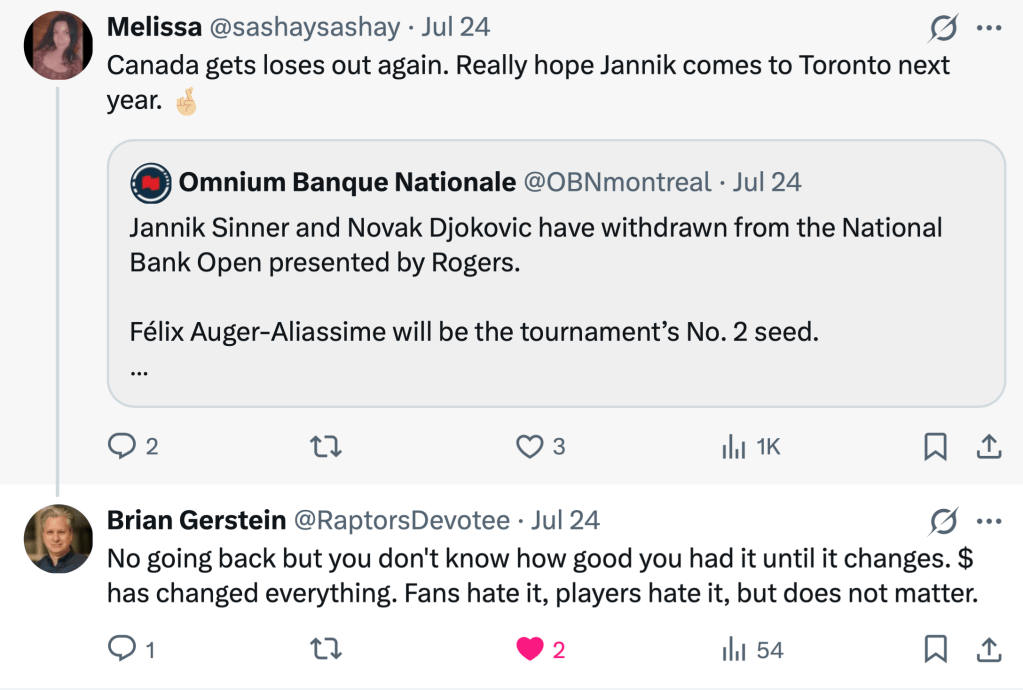
While some fans lament Sinner skipping Canada, others are wondering if the National Bank Open should remain a Masters 1000. In the past five years, it has played more like an ATP 500 event, with these final results:
2021: Daniil Medvedev defeated Reilly Opelka
2022: Pablo Carreño Busta defeated Hubert Hurkacz
2023: Jannik Sinner defeated Alex de Minaur
2024: Alexei Popyrin defeated Andrey Rublev
2025: Ben Shelton defeated Karen Khachanov
Amid withdrawals of top players, Tennis Canada officials have repeatedly shifted blame to the ATP tour’s scheduling.
“We are obviously very disappointed that Jannik and Novak won’t be joining us in Montréal this year, especially after they also withdrew from last year’s tournament in Toronto. We respect their decisions and understand that, with such a demanding schedule, players’ health must remain the priority,” said Valérie Tétreault, tournament director of the National Bank Open presented by Rogers in Montréal. “We believe the frequency of these last-minute withdrawals in the last few years raises a broader issue for our sport. Masters 1000 events are among the flagship tournaments on the tour, and fans rightfully expect to see the world’s best compete. We are already in discussions with the ATP to ensure this matter receives serious consideration. We firmly believe adjustments are needed in the near future to better protect the integrity of our Masters 1000 events while remaining mindful of the realities players face.”
Gavin Ziv, Chief Executive Officer of Tennis Canada, said the national federation has a “responsibility to advocate for the interests of tennis and the fans who support our event year after year. We have already opened a dialogue with the ATP to explore solutions that would maximize the participation of the world’s top players in mandatory events. We are encouraged by the openness shown so far and hope these discussions will lead to concrete changes in the near future.”
But nothing has changed. The Montreal tournament faces a potential “perfect storm” scenario if Canadians continue to underperform in Canada. Felix Auger-Aliassime, who resides in Monaco to avoid Canada’s high tax rates on his worldwide income, last won a tour match in Canada in 2022. He also recently fired his longtime coach Fred Fontang after losing a 5-hour Wimbledon quarterfinal to Djokovic, and then pulled out of the ATP 500 in Washington.

words and images copyright Christopher Johnson Globalite Media all rights reserved
Denis Shapovalov, who at age 18 upset Nadal in Montreal in 2017, has not lived up to expectations. Canada has not produced a new generation to challenge the likes of Sinner, Alcaraz, Rune, Mensik or Fonseca.

words and images copyright Christopher Johnson Globalite Media all rights reserved
In addition, many sports fans in Canada spent a lot of money and attention on the 13 World Cup matches in Toronto and Vancouver. Amid rampant corruption and censorship of social media such as Facebook, Canada’s economy has entered a recession, and the Royal Bank of Canada recently reported that Canada lost more than a trillion dollars in investment to other countries from 2015 to 2024.
Meanwhile, raging forest fires have ruined vacations and polluted the air across Canada. Amid a cost-of-living crisis, many tennis fans might pass on Montreal this year.
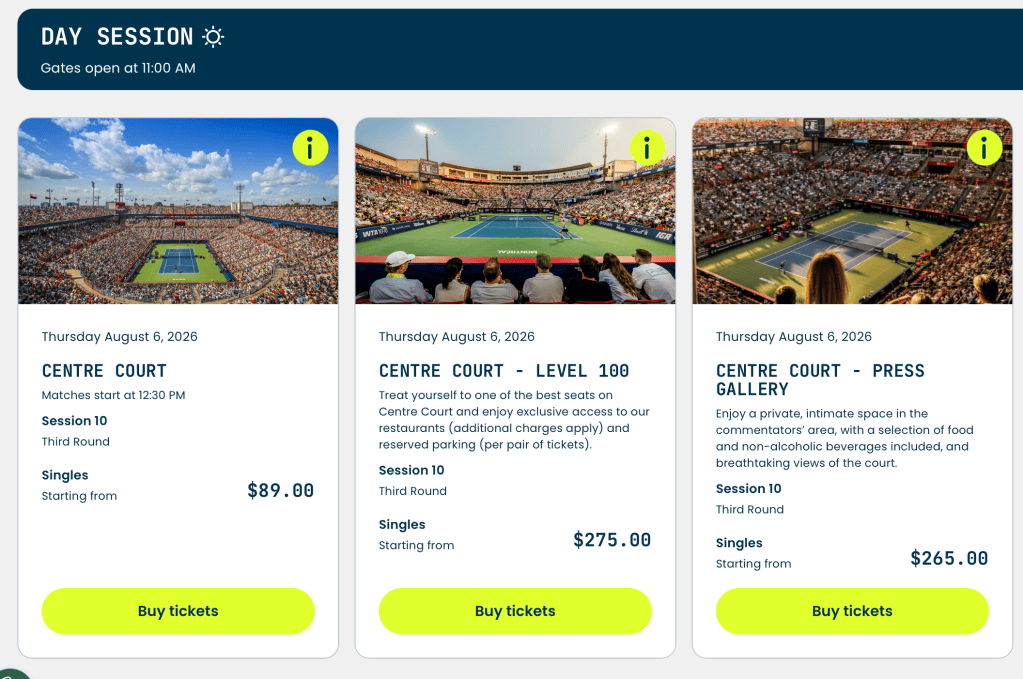
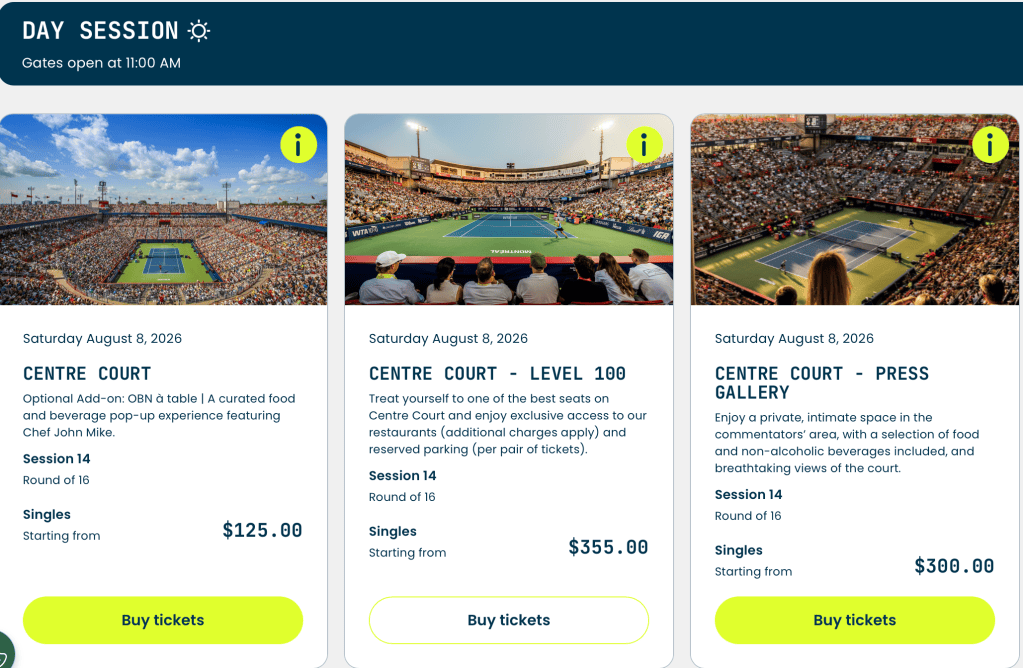
While Tennis Canada can’t control the weather, it has insisted on holding tournaments in Montreal and Toronto at the hottest time of the year (and most expensive travel period) when many families escape from overheated cities to the forests and lakes of cottage country. The stadiums in Toronto and Montreal, which lack roofing to protect against August thunderstorms, are located far from the vibrance of their downtown cores. As for ticket prices, the official website listed day session tickets for the third round and round of 16 starting at 89 and 125 dollars each.
If Tennis Canada has failed to entice the top players, the ATP has also failed to respond to players’ requests to return the Canada Masters to a one-week event. The ATP has also rejected calls to adapt to climate change by adjusting the scheduling of events in Canada, Ohio and New York (as previously suggested in GrandSlamMagazine.com).
Indeed, federations and tour officials have repeatedly shown a tendency to reject common sense solutions to problems such as doping, copyright piracy, abusive social media conduct, and scheduling. They are already coming under criticism for scheduling the Olympic tennis in Los Angeles immediately after Wimbledon in 2028.
Moreover, they are continuing to bend the rules for Sinner, who lacks a believable excuse for skipping the Montreal Masters, which is supposedly a “mandatory” event for players under age 30. His reluctance to play in Montreal, home of the World Anti-Doping Agency since 1981, only creates more suspicion among tennis fans who questioned his deal with WADA to miss only three months between slams in early 2025 after the ATP spent months covering up his failed doping tests in March 2024.
Somebody has to do something to solve these problems. If not, the second oldest tournament in tennis might lose its appeal with fans and sponsors.
words and images copyright Christopher Johnson Globalite Media all rights reserved


